 Deutsch.
 English
 Español
Mit unserem Fachwissen hohe Qualität garantieren
Jiaxing Befeite Chain Wheel Manufacturing Co. Ltd. ist ein professioneller Hersteller von Kettenrädern für die Automobilindustrie.
Weiterlesen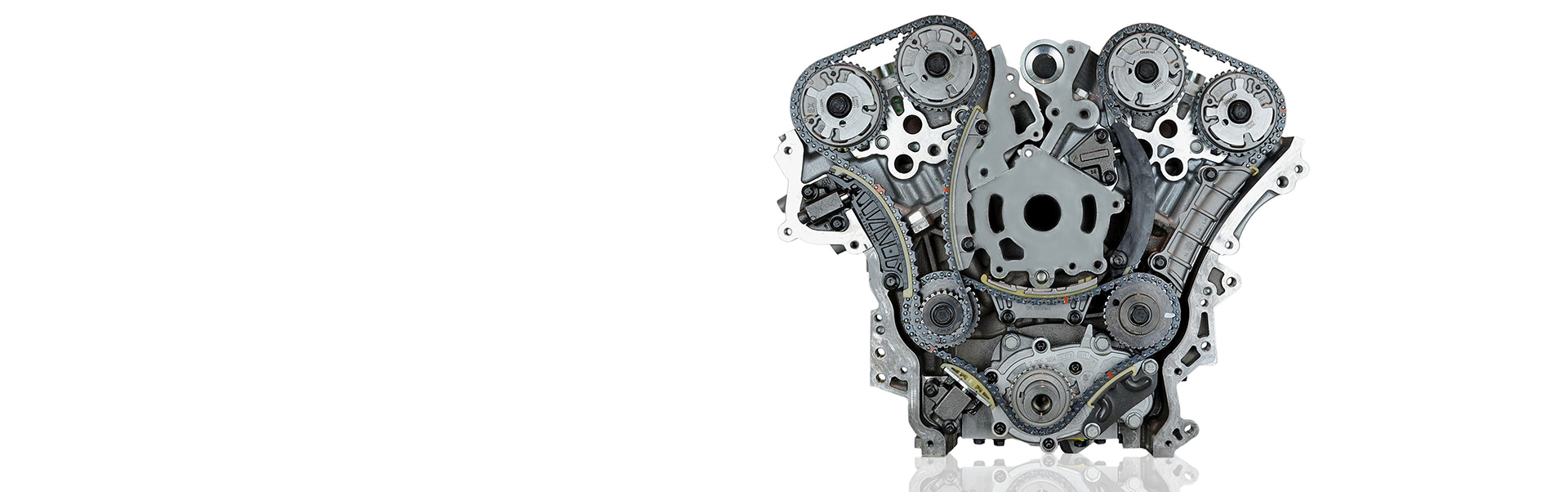
Jiaxing Befeite Chain Wheel Manufacturing Co. Ltd. ist ein professioneller Hersteller von Kettenrädern für die Automobilindustrie.
Weiterlesen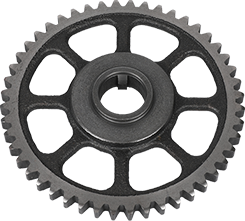
Ein amerikanisches Automotorkettenrad ist ein zahnradähnliches Bauteil in einem Verbrennungsmotor, das die Drehkraft von der Kurbelwelle auf die Nockenwelle überträgt. Es besteht in der Regel aus Metall und wird in der Regel durch einen Zahnriemen angetrieben. Das Kettenrad ist so konstruiert, dass es genau auf das Ende der Nockenwelle passt und dazu dient, die Drehung der Nockenwelle mit der der Kurbelwelle zu synchronisieren. In amerikanischen Automobilen ist das Kettenrad ein Schlüsselelement, das für die Synchronisierung der Ventile und Kolben sorgt und damit den reibungslosen Betrieb des Motors gewährleistet. Die Größe und Anzahl der Zähne eines Kettenrads wirkt sich auf die Leistung und Effizienz des Motors aus. Daher ist es wichtig, das richtige Kettenrad für den jeweiligen Motor und die Fahrbedingungen auszuwählen.
MEHR SEHEN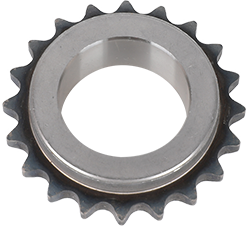
Das Motorkettenrad, das auch als Kurbelwellenrad bezeichnet wird, ist ein Zahnrad, das sich am vorderen Ende des Motors befindet und mit der Kurbelwelle verbunden ist. Seine Hauptfunktion besteht darin, die Drehkraft vom Motor auf den Zahnriemen zu übertragen, der wiederum andere Motorkomponenten wie die Nockenwelle, die Wasserpumpe und die Ölpumpe antreibt. Größe und Design des Kettenrads beeinflussen die Leistung und Zuverlässigkeit des Motors. Daher ist es wichtig, ein hochwertiges Kettenrad zu verwenden, das mit dem jeweiligen Motor kompatibel ist. Für europäische und russische Fahrzeuge werden je nach Marke, Modell und Motortyp unterschiedliche Motorkettenräder verwendet. Zu den gebräuchlichen Arten von Kettenrädern gehören einreihige Kettenräder und zweireihige Kettenräder, die beide aus Materialien wie Stahl oder Aluminium hergestellt werden können.
MEHR SEHEN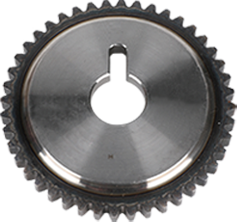
Ein Motorkettenrad, auch bekannt als Nockenwellenrad, ist ein Zahnrad, das am Ende der Nockenwelle befestigt ist und den Zahnriemen oder die Kette eines Verbrennungsmotors antreibt. In asiatischen Autos ist das Kettenrad ein Schlüsselelement, das bei der Regulierung der Steuerzeiten und der Synchronisierung verschiedener Motorkomponenten, einschließlich Ventilen und Kolben, hilft. Größe, Form und Material des Kettenrads variieren je nach Marke und Modell des Fahrzeugs sowie nach Motortyp und -spezifikationen. Ein defektes oder verschlissenes Kettenrad kann zu Fehlzündungen, Leistungseinbußen und in schweren Fällen zu einem Motorschaden führen. Um einen reibungslosen Motorbetrieb zu gewährleisten und die Lebensdauer Ihres Fahrzeugs zu verlängern, ist es wichtig, das Kettenrad regelmäßig zu überprüfen und bei Bedarf auszutauschen.
MEHR SEHEN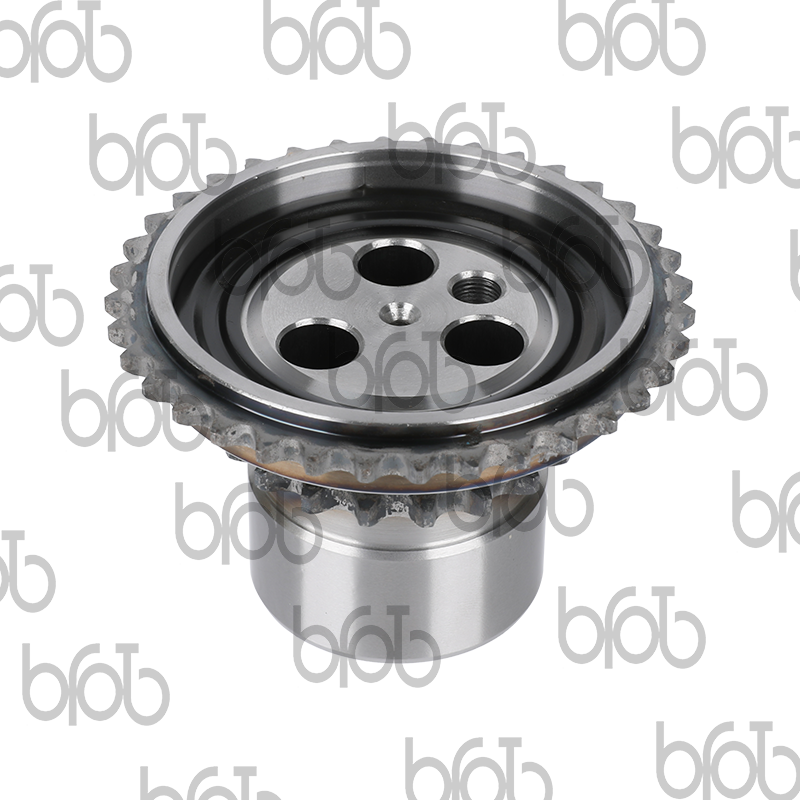
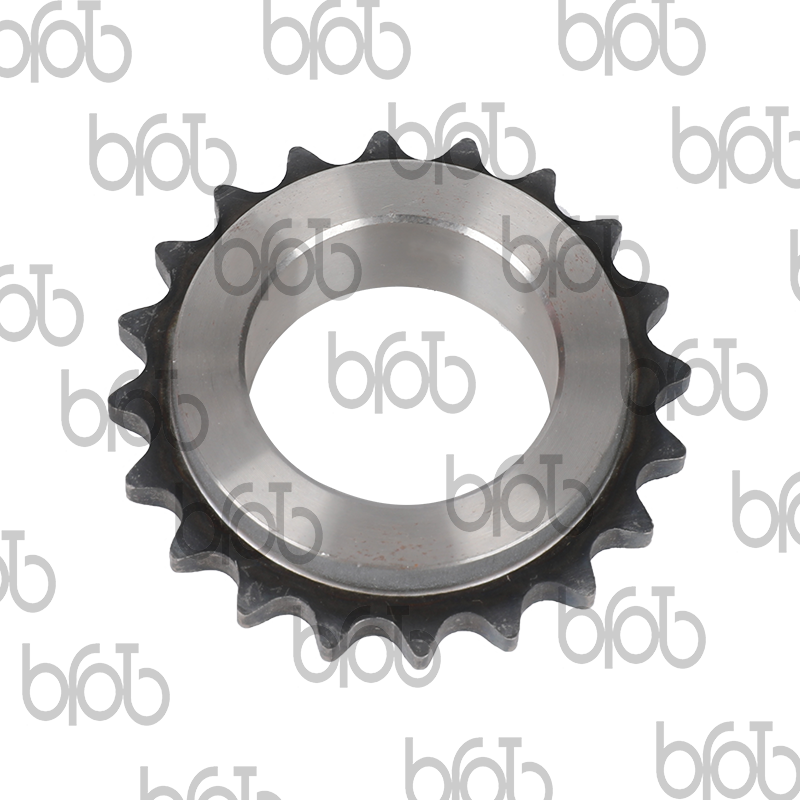
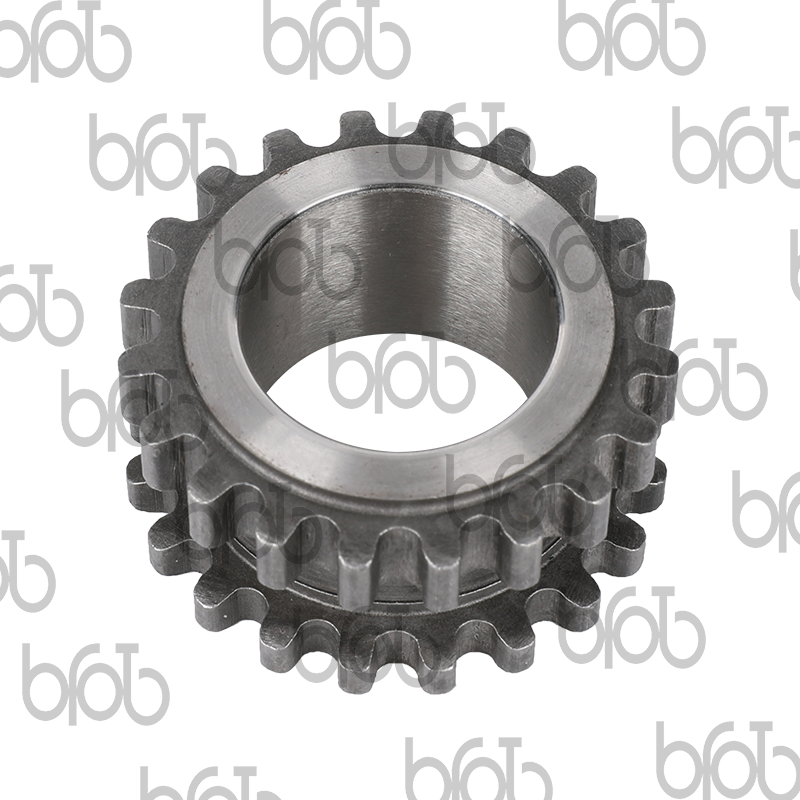
Fabriknummer: BFT8594-2 OEM: 6c1q-6306-ab Anwendbare Modelle: Ford Anwendbare Motoren: Ford Pignon de vilebrequin Transit mk7 6c1q-6306-ab authentisch 2.2 tdci 2006-2013 Jahr Material: Metall Höhe: 61.2 Außendurchmesser: 95 Anzahl der Zähne: 19/38
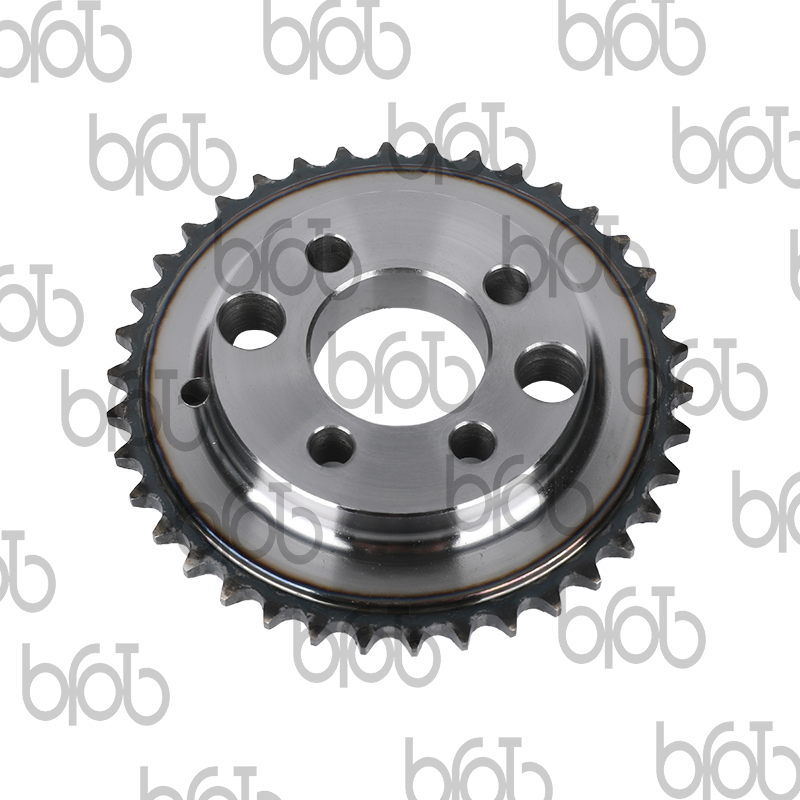
Fabriknummer: BFT8594-1 OEM: 6c1q-9p919-ba Anwendbare Motoren: Ford Pignon de carburant à carburant Transit MK7 6c1q-9p919-ba authentisch 2.4 tdci 2006-2011 Material: Metall Außendurchmesser: 117 Höhe: 19.98 Anzahl der Zähne: 38
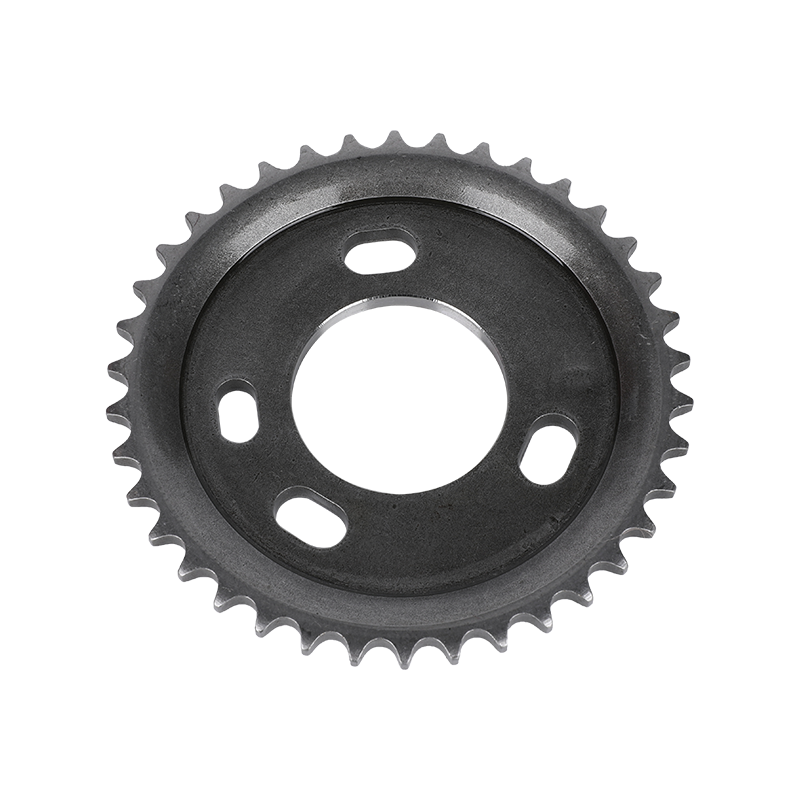
Fabriknummer: BFT8631 OEM: 6c1q6256ac Motor: Ford Transit mk7 Arbre à Came Gear 6c1q6256ac Véritable 2.2 TDCI 2006-2013 An Material: Metall Höhe: 11 Außendurchmesser: 118.4 Anzahl der Zähne: 38
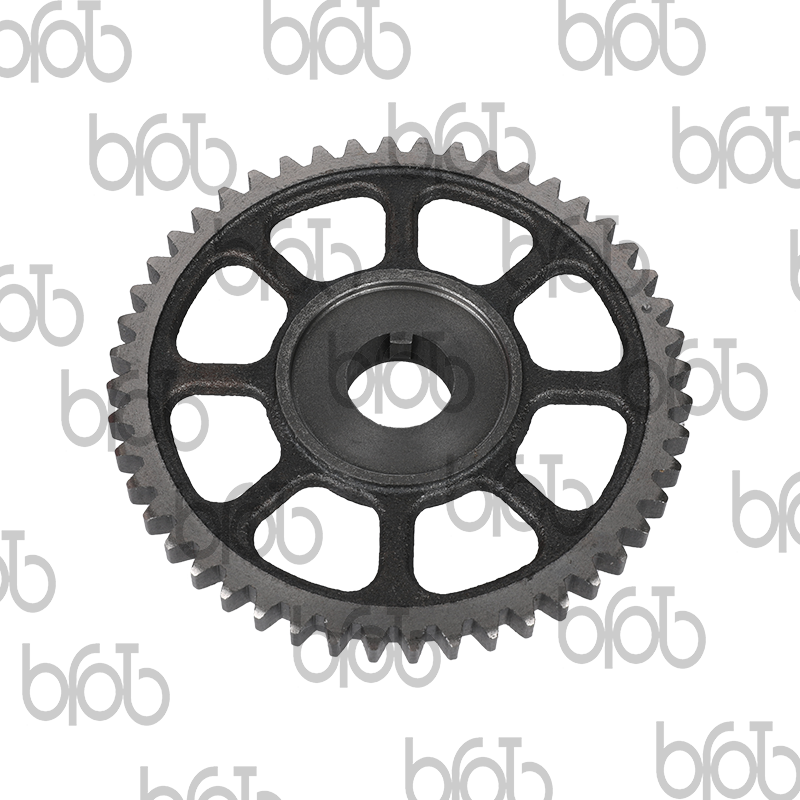
Beschreibung: 53010557AA Anwendbare Modelle: Jeep Anwendbare Motoren: JEEP CHEROKEE 1999–2001 L6 4.0L/JEEP TJ 1999–2006 L6 4.0L Material: Metall Außendurchmesser: 145.2 Höhe: 19 Anzahl der Zähne: 48
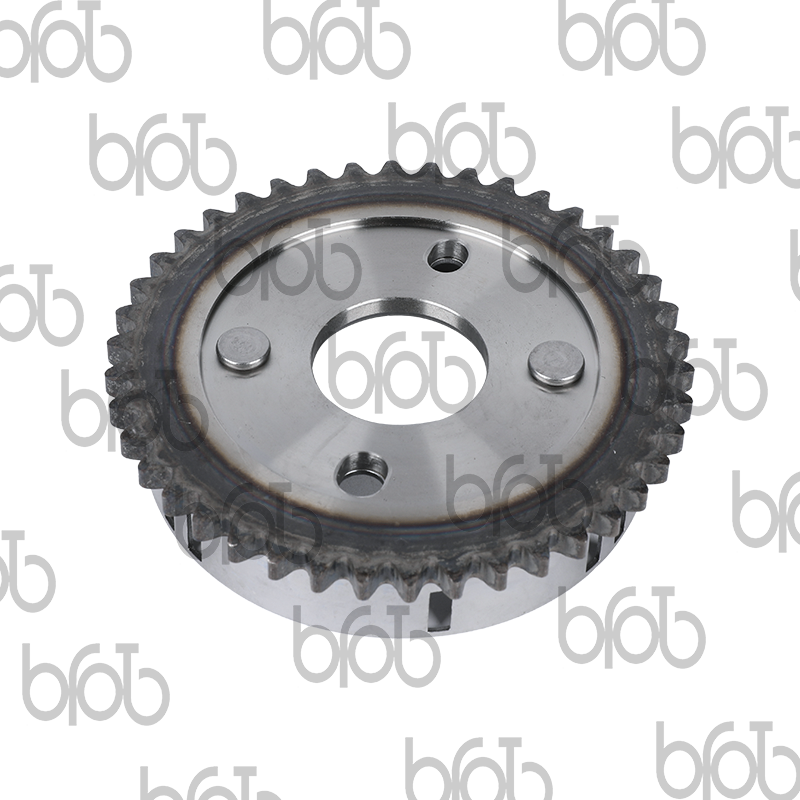
Beschreibung: 4792305AB Anwendbare Modelle: Chrysler, Dodge Anwendbare Motoren: CHRYSLER 300 2005–2007 V6 2,7 l/Dodge Charger 2006–2007 V6 2,7 l Material: Metall Außendurchmesser: 126.9 Höhe: 27.6 Anzahl der Zähne: 42
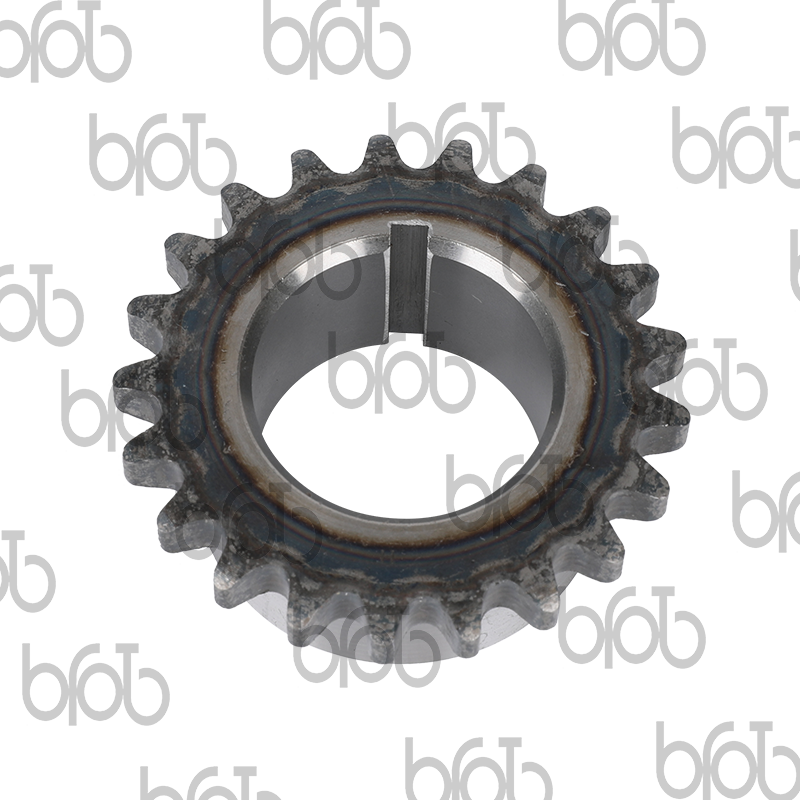
Beschreibung: 4663632 Anwendbare Modelle: Chrysler, Dodge Anwendbare Motoren: CHRYSLER 300 2005–2007 V6 2,7 l/Dodge Charger 2006–2007 V6 2,7 l Material: Metall Außendurchmesser: 62.58 Höhe: 25.2 Anzahl der Zähne: 21
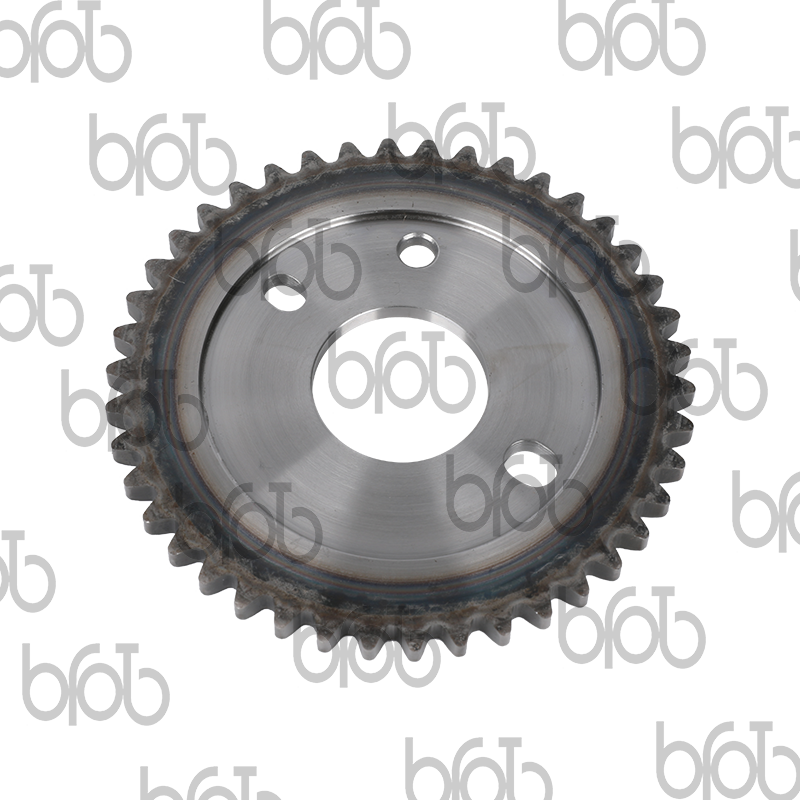
Beschreibung: 4792306 Anwendbare Modelle: Chrysler, Dodge Anwendbare Motoren: CHRYSLER 300 2005–2007 V6 2,7 l/Dodge Charger 2006–2007 V6 2,7 l Material: Metall Außendurchmesser: 126.9 Höhe: 5 Anzahl der Zähne: 42
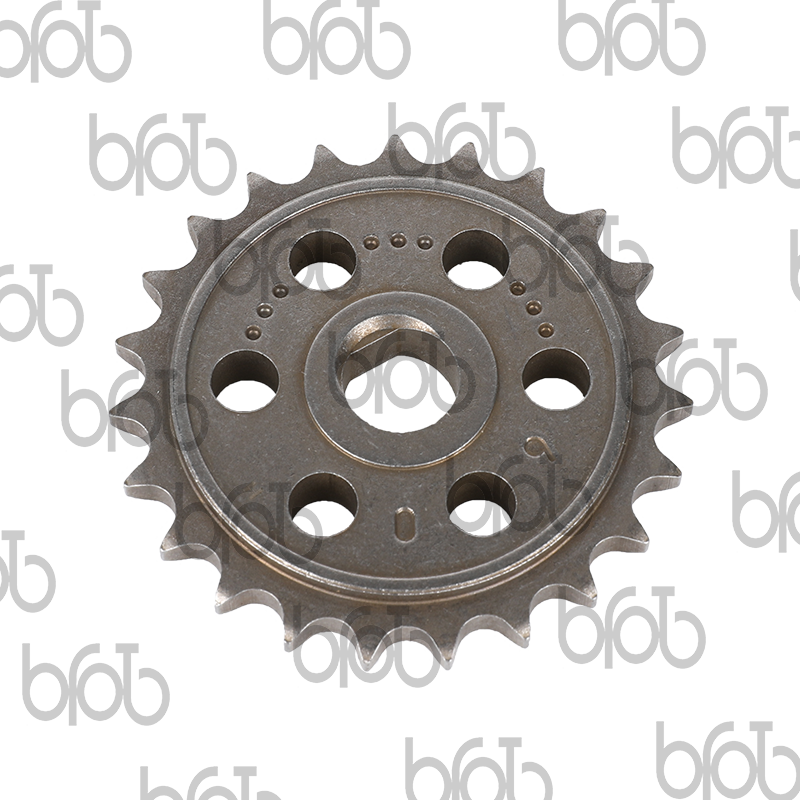
Beschreibung: LR011218 Anwendbare Modelle: Land Rover, Jaguar Anwendbare Motoren: Land Rover Discovery 2020 3.6L V6-Benziner/2021 Jaguar F-Type 3.0L V6-Benziner Material: Metall Außendurchmesser: 60.45 Höhe: 8 Anzahl der Zähne: 23
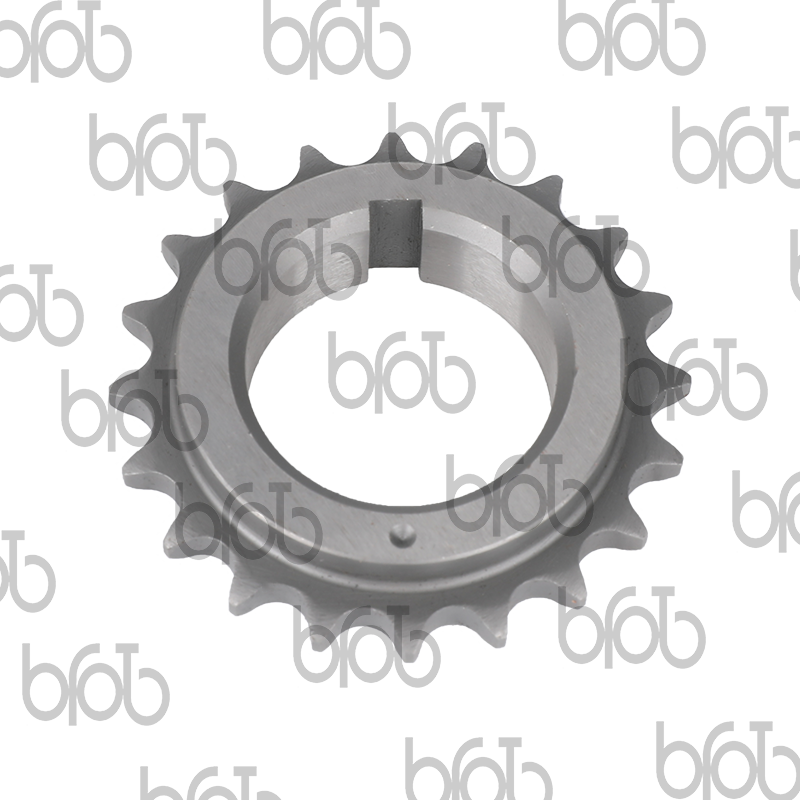
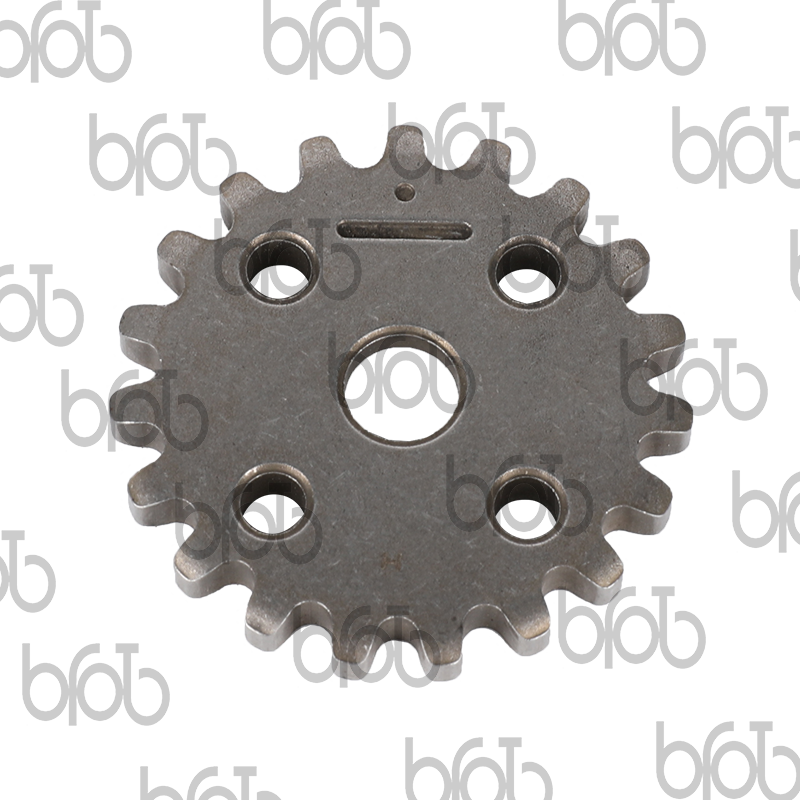
Beschreibung: LR072611 Anwendbare Modelle: Land Rover, Jaguar Anwendbare Motoren: Land Rover Discovery 2020 3.6L V6-Benziner/2021 Jaguar F-Type 3.0L V6-Benziner Material: Metall Außendurchmesser: 13.1 Höhe: 52.8 Anzahl der Zähne: 20
Jiaxing Befeite Chain Wheel Manufacturing Co., Ltd. ist ein professioneller Hersteller von Automobilkettenrädern. Wir werden alle Anfragen und Rückmeldungen unserer Kunden mit Geduld und Sorgfalt beantworten.
Hervorragende und stabile Produktqualität. Das Unternehmen setzt die Überprüfung und Prüfung der Rohstofflieferanten sowie die Prüfung eingehender Materialien strikt durch.
Aktuelle Unternehmens- und Branchennachrichten für Sie bereitstellen
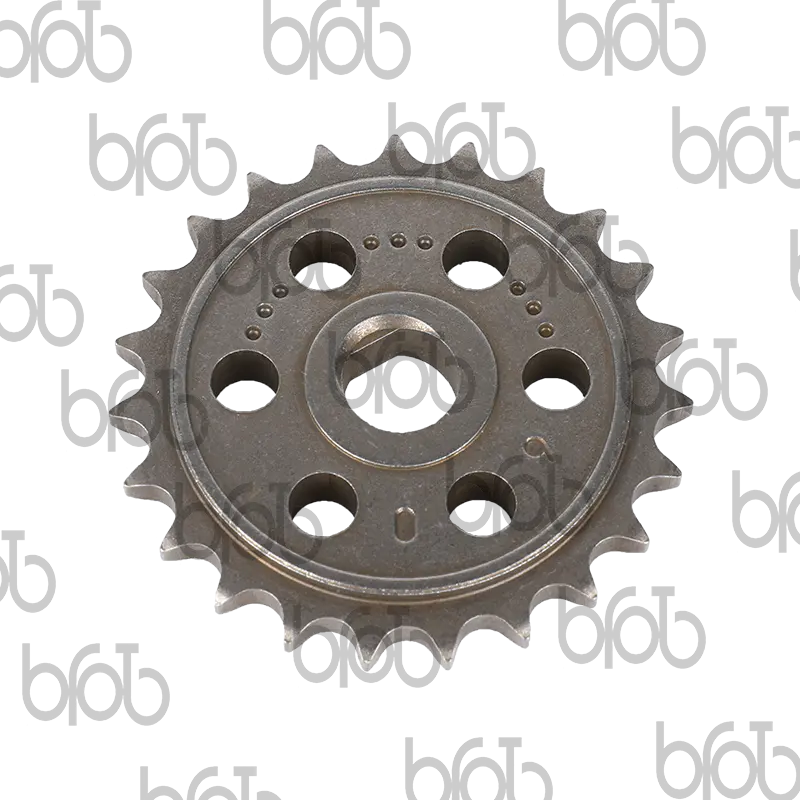
Inspektion der Land Rover 5.0 Motorölpumpenritzel Die Suche nach Verschleiß oder Beschädigungen ist eine Aufgabe, die Sorgfalt und Fachwissen erfordert. Bevor Sie mit der Inspektion beginnen, müssen Sie einige notwendige Werkzeuge und Materialien vorbereiten, darunter unter anderem: Wagenheber, Schraubenzieher, Schraubenschlüssel, Schraubendreher, Motorwartungshandbuch, Handschuhe, Motoröl und Reinigungstuch usw. Stellen Sie sicher, dass der Arbeitsbereich aufgeräumt ist Halten Sie sich von brennbaren Materialien fern und tragen Sie Sicherheitsschutzausrüstung wie Overalls, Handschuhe und Schutzbrillen. Führen Sie als Nächstes die folgenden Schritte aus, um Folgendes zu überprüfen: Fahrzeugvorbereitung: Parken Sie das Fahrzeug auf ebenem Untergrund, ziehen Sie die Handbremse an und stellen Sie sicher, dass das Fahrzeug stabil steht. Schalten Sie den Motor aus und warten Sie einige Zeit, bis der Motor auf eine sichere Temperatur abgekühlt ist. Heben Sie das Fahrzeug an: Heben Sie die Vorderseite des Fahrzeugs mit einem Wagenheber an, um einen einfachen Zugang zur Unterseite des Motors zu gewährleisten. Stellen Sie zur Sicherheit stabile Stützen unter das Fahrzeug. Relevante Teile demontieren: Demontieren Sie gemäß den Anweisungen im Motorwartungshandbuch nach und nach die relevanten Teile am Motor, wie z. B. die Schutzplatte, die Ölwanne usw., sodass das Ölpumpenritzel deutlich sichtbar ist. Beobachten Sie das Ölpumpenrad: Sobald das Ölpumpenrad freigelegt ist, prüfen Sie sorgfältig sein Aussehen und seinen Zustand. Beachten Sie folgende Punkte: Gebrauchsspuren: Die Zahnoberfläche des Ölpumpenrad ist der Hauptteil der Kette, der es kontaktiert. Bei offensichtlicher Abnutzung der Zahnoberfläche wird die Zahnoberfläche glatt, weist Rillen auf oder die Zahnform wird unscharf. Dies kann auf eine langfristige Nutzung zurückzuführen sein. Verursacht durch Gebrauch und Reibung. Durch den Verschleiß der Zahnoberfläche verringert sich die Presskraft zwischen Kette und Kettenrad, wodurch der normale Betrieb der Ölpumpe beeinträchtigt wird. Mit zunehmender Abnutzung der Zahnoberfläche des Kettenrads nimmt die Zahnhöhe allmählich ab. Wenn die Zahnhöhe um ein bestimmtes Maß reduziert wird, kann es passieren, dass die Kette während des Betriebs über die Zähne springt, was dazu führt, dass die Kette durchrutscht oder Zähne überspringt. Dadurch wird verhindert, dass die Ölpumpe effektiv Öl fördert, was die Schmierwirkung des Motors beeinträchtigt. Der Ölpumpenrad interagiert mit der Kette. Wenn das Kettenrad verschleißt, kann auch die Spannung der Kette beeinträchtigt werden und sich lockern. Eine lockere Kette ist während des Betriebs anfällig für Vibrationen und Geräusche und kann sogar dazu führen, dass die Kette abfällt, was den normalen Betrieb der Ölpumpe beeinträchtigt. Schaden: Das Kettenrad kann bei längerem, hochintensivem Betrieb brechen oder reißen. Brüche treten normalerweise an der Kante oder am Zahnfuß des Kettenrads auf, und Risse können sich entlang der Oberfläche oder im Inneren des Kettenrads ausbreiten. Diese Brüche oder Risse beeinträchtigen die Festigkeit und Stabilität des Kettenrads erheblich und können sogar dazu führen, dass das Kettenrad während des Betriebs plötzlich versagt und der normale Betrieb des Motors beeinträchtigt wird. Unter extremen Betriebsbedingungen kann es zu einer Verformung des Zahnprofils des Kettenrades kommen. Beispielsweise kann die Zahnoberfläche uneben werden, die Zahnteilung größer oder kleiner werden oder sogar die Zahnspitze abgenutzt oder die Zahnwurzel gebrochen sein. Diese Verformungen zerstören die normale Passbeziehung zwischen Kettenrad und Kette und verursachen Probleme wie Kettenrutschen, Vibrationen oder Geräusche. Kettenräder bestehen normalerweise aus Metall und langfristige Reibung und Belastung können zu Materialermüdung führen. Die Oberfläche eines ermüdeten Kettenrads kann Mängel wie Abblättern, Lochfraß oder Schlaglöcher aufweisen. Diese Mängel verringern die Festigkeit und Verschleißfestigkeit des Kettenrads und erhöhen das Risiko eines Ausfalls. Zustand der Kette: Überprüfen Sie auch die zum Kettenrad passende Kette auf übermäßiges Spiel, Abnutzung oder Bruch. Der Zustand der Kette beeinflusst auch die Arbeitswirkung des Kettenrads. Verwenden Sie zur Erkennung professionelle Werkzeuge: Wenn die Bedingungen es zulassen, können Sie professionelle Werkzeuge wie Messschieber oder Mikroskope verwenden, um den Verschleißgrad des Kettenrads genauer zu messen. Mithilfe dieser Tools können Sie genauere numerische Daten zum Vergleich mit den vom Hersteller bereitgestellten Spezifikationen erhalten. Vergleichen und beurteilen: Vergleichen Sie den beobachteten Zustand des Ölpumpenrads mit den Standards im Motorwartungshandbuch. Wenn das Kettenrad offensichtlich abgenutzt oder beschädigt ist, sollte es rechtzeitig ausgetauscht werden, um eine verminderte Motorleistung oder einen möglichen Ausfall zu vermeiden. Zusammenbau und Prüfung: Nach dem Austausch des Ölpumpenrad , Bauen Sie die Komponenten in umgekehrter Reihenfolge wieder am Motor zusammen. Starten Sie nach Abschluss der Montage den Motor und führen Sie einen Test durch, um sicherzustellen, dass der Motor nach dem Austausch des Ölpumpenrads normal ohne ungewöhnliche Geräusche oder Vibrationen läuft. Reinigen Sie den Arbeitsbereich: Nachdem alle Inspektionen und Reparaturen abgeschlossen sind, reinigen Sie den Arbeitsbereich, um sicherzustellen, dass keine Werkzeuge oder Teile zurückbleiben.
Weiterlesen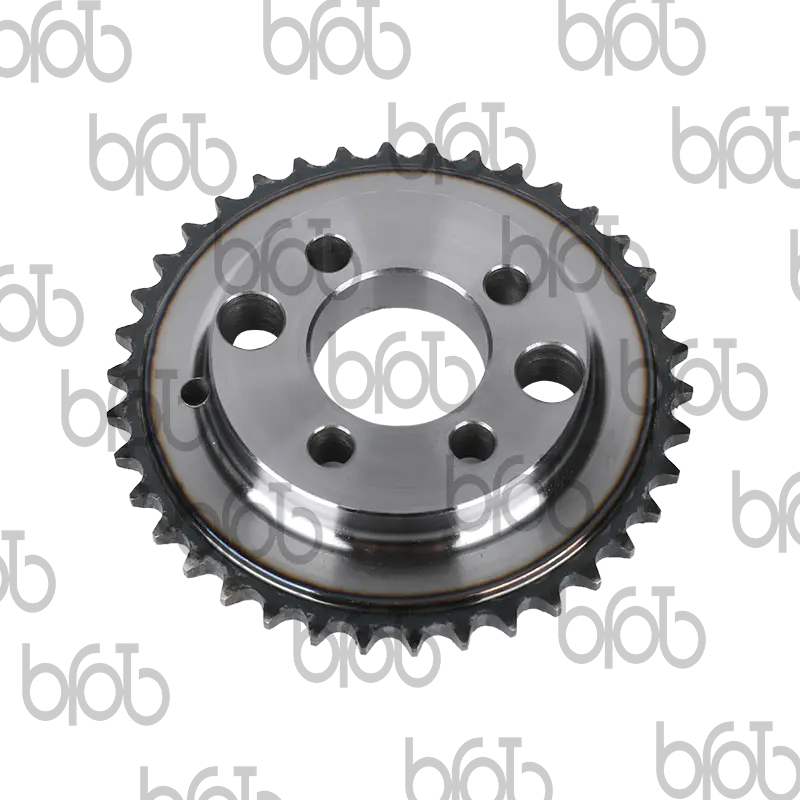
Als Gigant der amerikanischen Automobilindustrie haben die Fahrzeugleistung und -qualität von Ford schon immer große Aufmerksamkeit erregt. Doch selbst bei Ford-Fahrzeugen mit hervorragender Qualität kommt es bei längerem Gebrauch zwangsläufig zu Verschleiß oder Beschädigung der Innenteile. Zu den häufigsten Problemen zählen Verschleiß oder Schäden am Zahnrad der Kraftstoffpumpe. Als Schlüsselkomponente des Kraftstoffversorgungssystems wirkt sich das Kraftstoffpumpengetriebe im Falle eines Problems direkt auf die Leistung und Fahrsicherheit des Fahrzeugs aus. Abgenutzt oder beschädigt f Kraftstoffpumpenzahnräder kann direkt zu einer unzureichenden Kraftstoffversorgung führen. Die Kraftstoffpumpe ist als „Herzstück“ des Kraftstoffversorgungssystems des Fahrzeugs dafür verantwortlich, Kraftstoff aus dem Tank anzusaugen und unter Druck zum Motor zu fördern. Das Kraftstoffpumpenzahnrad ist eine wichtige Getriebekomponente in diesem System. Es ist mit der Kurbelwelle des Motors verbunden, dreht sich mit der Motordrehung und treibt dann den Kolben oder die Membran in der Kraftstoffpumpe zum Arbeiten an. Wenn das Zahnrad einer Kraftstoffpumpe verschlissen oder beschädigt ist, verringert sich seine Rotationseffizienz erheblich. Die verschlissene Zahnoberfläche wird uneben und auch der passende Abstand zwischen den Zahnrädern vergrößert sich, was dazu führt, dass die Zahnräder während der Drehung durchrutschen und springen, wodurch eine effektive Kraftübertragung unmöglich wird. Beschädigte Zahnräder wie Bruch oder Verformung führen direkt dazu, dass die Kraftstoffpumpe nicht richtig funktioniert. Verschleiß oder Beschädigung dieses Zahnrads wirken sich direkt auf die Pumpleistung und Druckabgabe der Kraftstoffpumpe aus. Ein Kraftstoffmangel tritt auf, wenn die Kraftstoffpumpe nicht in der Lage ist, Kraftstoff effektiv aus dem Tank zu pumpen oder nicht in der Lage ist, Kraftstoff mit ausreichendem Druck an den Motor zu liefern. Die Auswirkungen einer unzureichenden Kraftstoffversorgung auf die Leistung von Ford-Fahrzeugen sind erheblich. Erstens kann der Motor nicht genug Kraftstoff erhalten, um seinen normalen Betrieb aufrechtzuerhalten, was dazu führt, dass das Fahrzeug nur schwach beschleunigt, keine Leistung hat und möglicherweise sogar in der Fahrgeschwindigkeit eingeschränkt ist. Im Extremfall, wenn die Kraftstoffversorgung stark unzureichend ist, kann der Motor aufgrund von Ölmangel abgewürgt werden, was ein großes Sicherheitsrisiko für den Fahrer darstellt. Eine unzureichende Kraftstoffversorgung beeinträchtigt auch die Verbrennungseffizienz des Motors. Der Motor benötigt ausreichend Kraftstoff und Luft, um sie zu vermischen und zu verbrennen, um Strom zu erzeugen. Bei unzureichender Kraftstoffversorgung nimmt die Konzentration des Gemisches ab, was zu einer unvollständigen Verbrennung führt. Dies verringert nicht nur die Effizienz des Motors, sondern erhöht auch den Gehalt an Schadstoffen in den Abgasen, was zu einer Umweltverschmutzung führt. Abgenutzt oder beschädigt Kraftstoffpumpenzahnräder kann zu unregelmäßigem Kraftstoffdruck führen. Die Stabilität des Kraftstoffdrucks ist für den normalen Betrieb des Motors von entscheidender Bedeutung. Wenn ein Problem mit dem Zahnrad der Kraftstoffpumpe vorliegt, führt eine ungleichmäßige Kraftübertragung zu Kraftstoffdruckschwankungen. Diese Schwankung wirkt sich direkt auf die Kraftstoffeinspritzmenge des Motors aus und macht den Betriebszustand des Motors instabil. Spezifische Anzeichen sind Motorvibrationen, erhöhter Lärm und sogar abnormale Zustände wie Klopfen beim Fahren des Fahrzeugs. Auch verschlissene oder beschädigte Kraftstoffpumpenzahnräder können Probleme mit Kraftstofflecks verursachen. Aufgrund des Getriebeverschleißes wird die Dichtungsleistung innerhalb der Kraftstoffpumpe beeinträchtigt, was zu Kraftstofflecks führt. Dies verschwendet nicht nur Kraftstoff und erhöht die Fahrkosten, sondern kann auch Schäden an anderen Fahrzeugkomponenten verursachen. Noch schwerwiegender ist, dass austretender Kraftstoff auch Brände und andere Sicherheitsrisiken verursachen und eine Gefahr für das Leben von Fahrern und Passagieren darstellen kann. Auch abgenutzte oder beschädigte Kraftstoffpumpenzahnräder können den Kraftstoffverbrauch Ihres Autos beeinträchtigen. Aufgrund unzureichender Kraftstoffversorgung und instabilem Kraftstoffdruck kann der Motor seinen optimalen Betriebszustand nicht aufrechterhalten, was zu einem erhöhten Kraftstoffverbrauch führt. Dadurch wird die Kilometerleistung der Fahrzeuge reduziert und die Häufigkeit und Kosten des Tankens erhöht. Auch abgenutzte oder beschädigte Kraftstoffpumpenzahnräder können sich negativ auf die Emissionswerte Ihres Fahrzeugs auswirken. Aufgrund der instabilen Betriebsbedingungen des Motors und des erhöhten Kraftstoffverbrauchs werden die Abgasemissionen der Fahrzeuge zunehmen und entsprechend auch die Schadstoffemissionen steigen. Dies führt nicht nur zu einer Umweltverschmutzung, sondern kann auch dazu führen, dass das Fahrzeug die Abgasemissionsprüfung nicht besteht, was die normale Nutzung des Fahrzeugs beeinträchtigt. Abgenutzt oder beschädigt Ford-Kraftstoffpumpenzahnräder kann zu Problemen mit der Fahrzeugleistung führen, wie z. B. unzureichender Kraftstoffversorgung, instabilem Kraftstoffdruck, Kraftstofflecks, geringerem Kraftstoffverbrauch und verschlechterter Emissionsleistung. Diese Probleme beeinträchtigen nicht nur die Fahrsicherheit und den normalen Gebrauch des Fahrzeugs, sondern erhöhen auch die Wartungs- und Fahrkosten.
Weiterlesen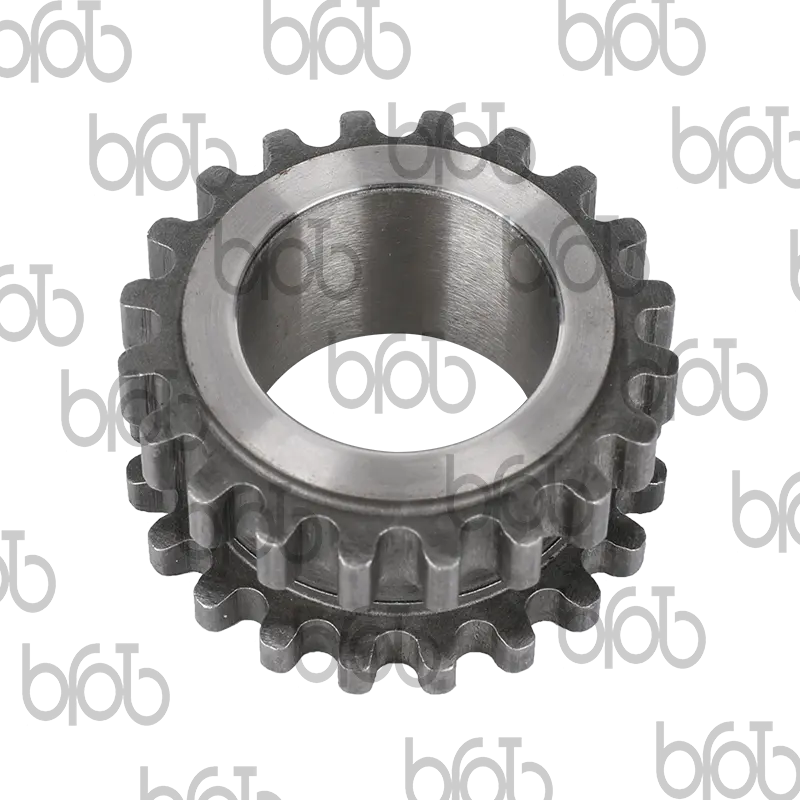
Als die beiden Giganten der amerikanischen Automobilindustrie Ford und Lincoln Beide haben eine lange Geschichte und ein fundiertes technologisches Fundament. Ihre V8-Motoren sind ein konzentrierter Ausdruck der technischen Stärke ihrer jeweiligen Marken. Das Kurbelwellenrad ist bei diesen Motoren eine Schlüsselkomponente der Kraftübertragung und wurde in Design und Funktion sorgfältig durchdacht und optimiert. Aus gestalterischer Sicht ist Kurbelwellenräder für V8-Motoren von Ford und Lincoln sind in ihren grundlegenden Struktur- und Funktionsprinzipien ähnlich. Dies liegt vor allem daran, dass sie alle wichtige Teile des V8-Motor Sie sind dafür verantwortlich, die Kraft der Kurbelwelle effektiv auf andere Schlüsselkomponenten des Motors zu übertragen. Der Grundaufbau beider folgt dem klassischen Design des Kurbelwellenrades, einschließlich des mit der Kurbelwelle verbundenen Nabenteils und der Zähne, die zum Eingriff in die Steuerkette dienen. Dieses Design gewährleistet die Genauigkeit und Stabilität der Kraftübertragung. Hinsichtlich der Funktionsprinzipien spielen die Kurbelwellenräder sowohl bei Ford- als auch bei Lincoln-V8-Motoren eine Schlüsselrolle bei der Umwandlung der Kraft der Kurbelwellendrehung in Kettenbewegung. Sie arbeiten eng mit der Steuerkette zusammen, um sicherzustellen, dass Systeme wie Ventile, Zündung und Kraftstoffeinspritzung gemäß der vorgegebenen Zeitsteuerung präzise arbeiten und so einen effizienten Motorbetrieb ermöglichen. Obwohl sich beide in den grundlegenden Struktur- und Funktionsprinzipien ähneln, können sich Ford und Lincoln als unterschiedliche Automarken in der spezifischen Gestaltung und Materialauswahl des Kurbelwellenrads unterscheiden. Diese Unterschiede können auf das unterschiedliche Streben der Marken nach Leistung, Haltbarkeit oder Kosten zurückzuführen sein oder mit der Marktpositionierung und den Benutzeranforderungen bestimmter Modelle zusammenhängen. Hinsichtlich der detaillierten Konstruktion gibt es einige Unterschiede bei den Kurbelwellenrädern der V8-Motoren von Ford und Lincoln. Diese Unterschiede spiegeln sich hauptsächlich in der Materialauswahl, dem Zahndesign, den Schmier- und Kühlsystemen sowie der gesamten strukturellen Gestaltung wider. Was die Materialauswahl anbelangt, ist Ford möglicherweise eher dazu geneigt, leichte, aber ausreichend stabile Materialien wie hochfeste Aluminiumlegierungen oder Spezialstahllegierungen zu verwenden, um das Gesamtgewicht des Motors zu reduzieren und den Kraftstoffverbrauch zu senken. Lincoln legt möglicherweise mehr Wert auf die Haltbarkeit und Ermüdungsbeständigkeit von Materialien und wählt daher möglicherweise stärkere und verschleißfeste Materialien, um die Stabilität des Kurbelwellenrads unter hoher Belastung und im Langzeitbetrieb zu gewährleisten. Was das Zahndesign betrifft, könnte Ford schärfere Zahnformen verwenden, um die Übertragungseffizienz zwischen der Kette und dem Kettenrad zu verbessern und den Leistungsverlust zu reduzieren. Lincoln legt möglicherweise mehr Wert auf die Glätte und Verschleißfestigkeit der Zahnform, um Reibung und Geräusche zu reduzieren und die Laufruhe und den Komfort des Motors zu verbessern. Schmier- und Kühlsysteme sind ebenfalls wichtige Ausdrucksformen der Unterschiede zwischen beiden. Das Kurbelwellenkettenrad von Ford kann mit effizienteren Schmierkanälen und Kühlstrukturen ausgestattet sein, um sicherzustellen, dass das Kettenrad bei hohen Temperaturen und Hochgeschwindigkeitsbetrieb eine gute Schmier- und Wärmeableitungsleistung aufrechterhalten kann. Lincoln legt möglicherweise mehr Wert auf die Stabilität und Zuverlässigkeit des Kühlsystems und verwendet komplexere Kühlkreisläufe und Wärmeableitungsstrukturen, um raueren Arbeitsumgebungen gerecht zu werden. Die Kurbelwellenräder von Ford und Lincoln können sich auch hinsichtlich der Gesamtkonstruktion unterscheiden. Ford legt möglicherweise mehr Wert auf die Kompaktheit und Integration der Struktur, um den vom Motor beanspruchten Platz zu reduzieren und die Gesamtleistung zu verbessern. Lincoln achtet möglicherweise stärker auf das Gleichgewicht und die Stabilität der Struktur und verbessert die Steifigkeit und Vibrationsbeständigkeit des Kurbelwellenrads durch Optimierung des Layouts und Hinzufügen von Stützstrukturen. Bei den Kurbelwellenrädern von Lincoln liegt der Schwerpunkt möglicherweise stärker auf Haltbarkeit und Zuverlässigkeit. Es können stärkere Materialien und verfeinerte Verarbeitungstechniken zum Einsatz kommen, um eine stabile Leistung unter hohen Belastungen und rauen Arbeitsumgebungen zu gewährleisten. Darüber hinaus können Lincoln-Kurbelwellenräder mit zusätzlichen Schmier- und Kühlsystemen ausgestattet sein, um die Auswirkungen von Reibung und Hitze auf die Kettenradleistung zu reduzieren. In Bezug auf die Funktion spielen sowohl die Kurbelwellenräder der V8-Motoren von Ford als auch von Lincoln eine Rolle bei der Kraftübertragung und der Sicherstellung einer genauen Motorsteuerung. Aufgrund unterschiedlicher Markenpositionierung und Marktnachfrage unterscheiden sie sich jedoch auch in der funktionalen Umsetzung. Kurbelwellenrad für den V8-Motor von Ford Erfüllt nicht nur die Grundfunktionen, sondern legt auch mehr Wert auf die Verbesserung der Reaktionsgeschwindigkeit und Leistung des Motors. Durch optimiertes Design und Materialauswahl können die Kurbelwellenräder von Ford Verluste bei der Kraftübertragung reduzieren, sodass der Motor schneller auf die Bewegungen des Fahrers reagieren kann und ein direkteres und schärferes Fahrerlebnis entsteht. Das Kurbelwellenrad des V8-Motors von Lincoln legt mehr Wert auf Stabilität und Komfort. Es kann eine sanftere Kraftübertragungsmethode verwenden, um Motorvibrationen und Geräusche zu reduzieren und den Passagieren eine komfortablere und ruhigere Fahrumgebung zu bieten. Gleichzeitig kann das Kurbelwellenkettenrad von Lincoln durch die Optimierung der Übertragungseffizienz und Haltbarkeit des Kettenrads auch dafür sorgen, dass der Motor im Langzeiteinsatz eine stabile Leistung beibehält.
Weiterlesen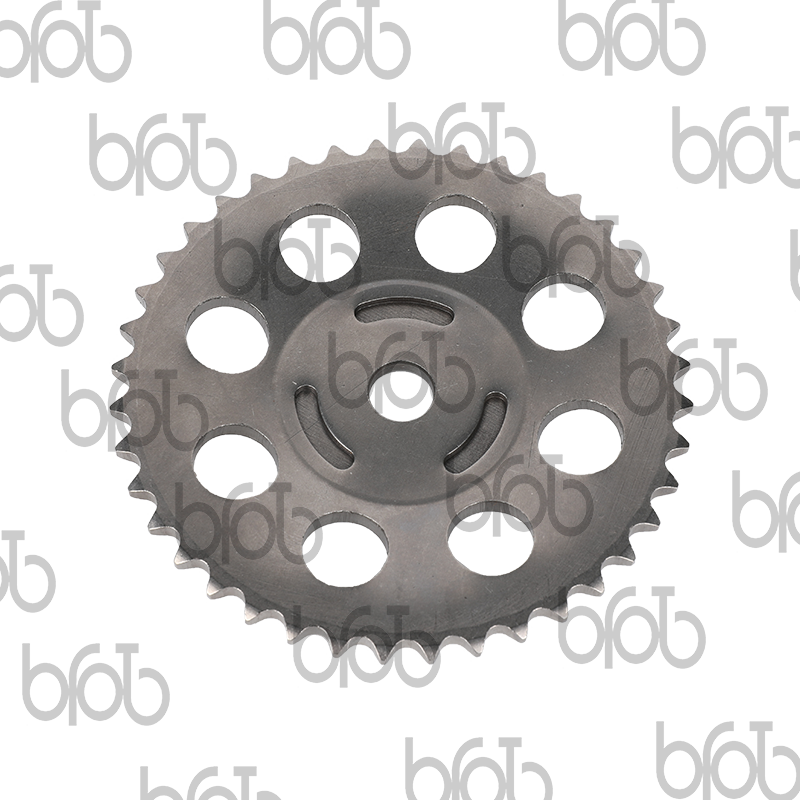
Sorgen Sie für eine ordnungsgemäße Spannung und Installation Ihres Steuerkette des Motors erfordert die Einhaltung einer strengen Reihe von Schritten und Vorsichtsmaßnahmen. Vorbereitung: Stellen Sie vor Beginn der Arbeiten sicher, dass Sie die richtige Steuerkette und alle anderen notwendigen Zubehörteile für Ihr Fahrzeug erhalten haben Motormodell . Bestätigen Sie anhand Ihres Fahrzeughandbuchs, Ihres Händlers oder eines professionellen Technikers, welches Zubehör Sie benötigen. Stellen Sie sicher, dass Sie über alle für die Aufgabe erforderlichen Werkzeuge verfügen. Zu diesen Werkzeugen können Schraubenschlüssel, Drehmomentschlüssel usw. gehören. Steuerkettenspanner , Fahrzeughebebühnen und mehr. Stellen Sie sicher, dass diese Werkzeuge in gutem Zustand und sauber und ordentlich sind, bevor Sie daran arbeiten. Bevor Sie mit der Arbeit beginnen, sollten Sie sich mit der Motorstruktur Ihres Fahrzeugs vertraut machen. Dies hilft Ihnen, die einzelnen Arbeitsschritte besser zu verstehen und kann unnötige Schäden oder eine fehlerhafte Installation vermeiden. Wählen Sie einen sauberen, sicheren und geräumigen Arbeitsbereich zum Arbeiten. Stellen Sie sicher, dass Ihr Arbeitsbereich genügend Platz zum Arbeiten bietet und dass gute Lichtverhältnisse es Ihnen ermöglichen, Details klar zu erkennen. Bereiten Sie die erforderlichen Werkzeuge vor: Stellen Sie sicher, dass Sie über alle erforderlichen Werkzeuge für Ihr Fahrzeugmodell verfügen, z. B. einen Schraubenschlüsselsatz, einen Drehmomentschlüssel, einen Steuerkettenspanner, einen Fahrzeugheber, ein Öldichtungs-Einbauwerkzeug, eine Arbeitsleuchte, einen manuellen Fahrzeugheber, Sicherheitsausrüstung, Schrauben, Demontagewerkzeuge usw mehr. Bereiten Sie Ihren Arbeitsbereich vor: Wählen Sie eine ebene, stabile Oberfläche und stellen Sie sicher, dass sich Ihr Arbeitsbereich auf einer ebenen, festen Oberfläche befindet, um sicherzustellen, dass Ihr Fahrzeug während der Arbeit stabil bleibt. Vermeiden Sie das Arbeiten auf schrägen oder instabilen Oberflächen, da dies die Arbeit schwieriger und riskanter machen kann. Wählen Sie einen gut beleuchteten Arbeitsbereich, um sicherzustellen, dass Sie den Motor und die zugehörigen Komponenten gut sehen und bedienen können. Wenn Ihr Arbeitsbereich schlecht beleuchtet ist, sollten Sie die Verwendung zusätzlicher Arbeitsscheinwerfer in Betracht ziehen, um für die erforderliche Beleuchtung zu sorgen. Reinigen Sie vor Arbeitsbeginn den Arbeitsbereich, um Schmutz, Öl und andere Hindernisse zu entfernen. Dadurch haben Sie genügend Bewegungs- und Arbeitsraum und verringern das Unfallrisiko. Wählen Sie nach Möglichkeit einen gut belüfteten Arbeitsbereich, um bei laufendem Motor entstehende Dämpfe und Emissionen zu entfernen. Das Arbeiten in einer geschlossenen Umgebung kann gesundheitliche Folgen haben. Daher ist es wichtig, für eine ausreichende Belüftung des Arbeitsbereichs zu sorgen. Batterie abklemmen: Aus Sicherheitsgründen den Minuspol der Batterie abklemmen, um elektrische Störungen zu vermeiden. Installationsprozess: Demontageteile: Trennen Sie den Minuspol der Batterie des Fahrzeugs, um elektrische Probleme zu vermeiden. Heben Sie das Fahrzeug mit einer Hebebühne auf eine sichere Höhe und stellen Sie sicher, dass das Fahrzeug stabil steht. Stellen Sie sicher, dass der Arbeitsbereich gut belüftet ist und tragen Sie geeignete persönliche Schutzausrüstung wie Handschuhe und Schutzbrillen. Je nach Fahrzeugmodell müssen möglicherweise andere Komponenten wie das Kurbelwellenrad und die Kipphebelabdeckung gelöst werden, um einen besseren Zugang zu erhalten. Verwenden Sie ein geeignetes Werkzeug (normalerweise einen Schraubendreher oder einen Schraubenschlüssel), um die Schrauben oder Bolzen an der Steuerketten-Abdeckplatte zu entfernen. Bevor Sie die Steuerkette entfernen, stellen Sie sicher, dass das Kurbelwellenrad im oberen Totpunkt (OT) gesichert ist. Dies kann durch die Verwendung spezieller Werkzeuge oder durch Drehen der Kurbelwelle in Position erfolgen. Entfernen Sie die Kette mit einem geeigneten Werkzeug, z. B. einem Schraubenschlüssel, vom Kurbelwellenrad, Nockenwellenrad und Spanner. Achten Sie darauf, dass die anderen Zubehörteile im Verhältnis zueinander stehen. Alte Kette entfernen: Entfernen Sie die Kette vom Kurbelwellenrad, Nockenwellenrad und Spanner und achten Sie darauf, dass die anderen Zubehörteile an Ort und Stelle bleiben. Neue Kette einbauen: Führen Sie die neue Steuerkette langsam entlang der Zahnradnut am Motor. Installieren Sie zuerst das Spannerende und spannen Sie dann die Kette richtig entlang des Nockenwellenrads und des Kurbelwellenrads. Spannkette: Bevor Sie mit dem Spannen der Kette beginnen, stellen Sie sicher, dass die Kurbelwelle im oberen Totpunkt (OT) fixiert ist. Dies kann mit einem speziellen Werkzeug oder durch manuelles Drehen der Kurbelwelle erfolgen. Stellen Sie sicher, dass sich alle Kolben im oberen Totpunkt befinden. Führen Sie die neue Steuerkette langsam entlang der Zahnradnut am Motor. Montieren Sie die Kette zunächst am Kurbelwellenrad und richten Sie sie dann in Richtung Nockenwellenrad aus. Verwenden Sie einen Steuerkettenspanner, um die Kettenspannung anzupassen. Typischerweise verfügt der Spanner über eine Spannschraube oder Spannvorrichtung, die so eingestellt wird, dass die richtige Spannung an der Kette aufrechterhalten wird. Die spezifische Einstellmethode kann je nach Fahrzeugmodell und Motorkonstruktion bestimmt werden. Ziehen Sie die Kette mit einem geeigneten Werkzeug, z. B. einem Schraubenschlüssel, schrittweise fest. Befolgen Sie beim Spannen der Kette unbedingt die Empfehlungen des Fahrzeugherstellers und stellen Sie sicher, dass die Kettenspannung im normalen Bereich liegt. Eine zu straffe Kette kann die Belastung und den Verschleiß des Motors erhöhen, während eine zu lockere Kette zu Kettenprellen oder Geräuschen führen kann. Die meisten Spanner sind mit einer Anzeige zur Anzeige der Kettenspannung ausgestattet. Überprüfen Sie nach dem Spannen der Kette immer die Spannanzeige und stellen Sie sicher, dass sie im normalen Bereich liegt. Wenn der Indikator eine Anomalie anzeigt, sind möglicherweise weitere Einstellungen oder eine Überprüfung der Ketteninstallation erforderlich. Es gibt auch die folgenden Schritte, um andere Komponenten zu installieren: Kurbelwellenrad, Kipphebelabdeckung und andere Komponenten einbauen und die Schrauben festziehen. Bringen Sie die Steuerketten-Abdeckplatte wieder an. Inspektion und Einstellung: Drehen Sie den Motor manuell: Drehen Sie die Kurbelwelle mit manuellen Methoden einige Umdrehungen, um sicherzustellen, dass sich die Steuerkette während des Betriebs nicht lockert, springt oder beißt. Spanner prüfen: Überprüfen Sie die Spanneranzeige erneut, um sicherzustellen, dass sie immer noch im richtigen Bereich liegt. Überprüfen Sie die Installation des Zubehörs: Überprüfen Sie alle wieder eingebauten Teile sorgfältig, um sicherzustellen, dass sie ordnungsgemäß festgezogen sind und dass nichts fehlt oder ungewöhnlich locker ist. Batterie anschließen: Schließen Sie den Minuspol der Batterie an, starten Sie das Fahrzeug neu und lassen Sie den Motor einige Minuten laufen, um sicherzustellen, dass alles ordnungsgemäß funktioniert. Führen Sie eine Probefahrt durch: Führen Sie eine kurze Probefahrt durch, hören Sie dabei aufmerksam auf den Motor und achten Sie auf ungewöhnliche Lichter auf dem Armaturenbrett.
Weiterlesen
E-MAIL:[email protected]

FAX:+86-0573-88666998

TELEFON:+86-0573-88667676

TELEFON:+86-13905839995